
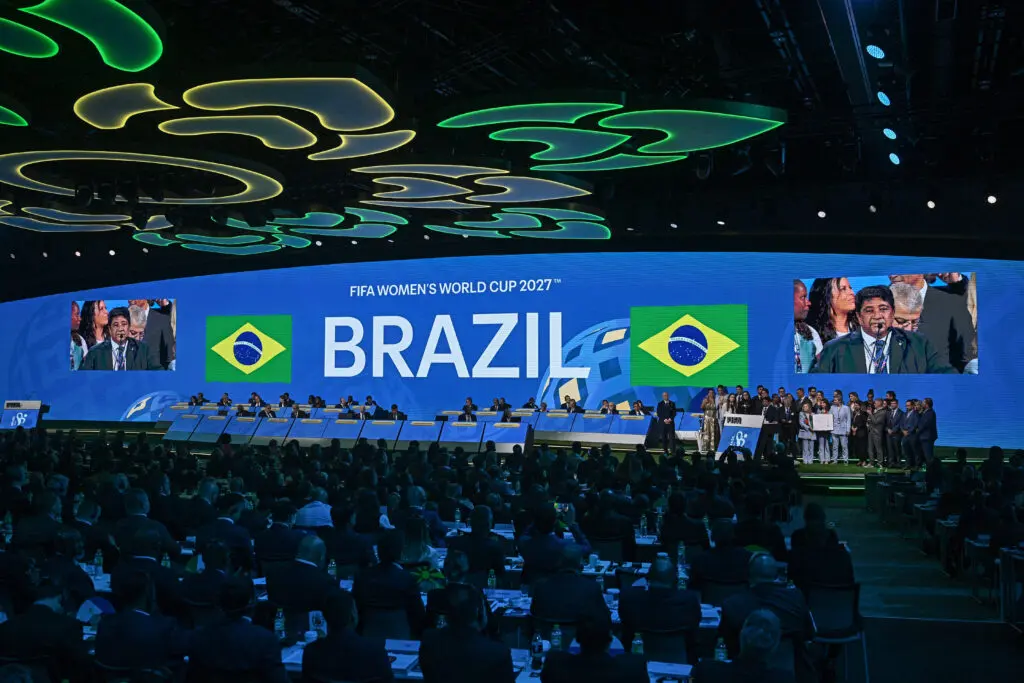
FIFA Women's World Cup Brazil 2027™: Host Cities and Stadiums Revealed
The FIFA Women's World Cup 2027 (officially the FIFA Women's World Cup Brazil 2027™) marks a historic milestone as the first time the tournament will be held in South America and in Brazil, one of the world's most passionate football nations. Scheduled from June 24 to July 25, 2027, the expanded 32-team competition will feature 64 matches, showcasing the best of women's international football on a grand stage.
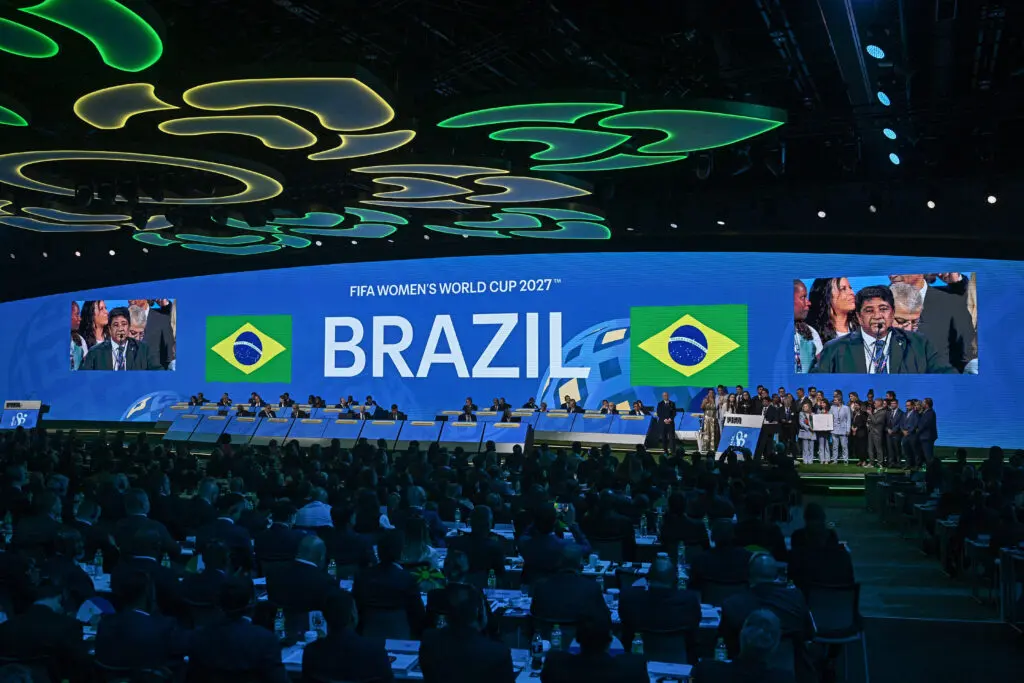
On May 7, 2025, FIFA officially confirmed the eight host cities and their iconic stadiums. These venues draw heavily from Brazil's rich football heritage, with most having been modernized for the 2014 FIFA World Cup. The selection emphasizes accessibility, sustainability, legacy use, and the ability to deliver an unforgettable atmosphere for players and fans alike.
Eight Host Cities and Stadiums Of FIFA Women's World Cup Brazil 2027™
2 - Stadium: Estádio Nacional Mané Garrincha (Arena BRB Mané Garrincha)
3 - Stadium: Arena Castelão
4 - Stadium: Estádio Beira-Rio
City: Porto Alegre
5 - Stadium: Arena Pernambuco (Arena de Pernambuco)
City: Recife (technically São Lourenço da Mata)
6 - Stadium: Estádio do Maracanã
City: Rio de Janeiro
7 - Stadium: Arena Fonte Nova
City: Salvador
8 - Stadium: Neo Química Arena (Arena Corinthians)
City: São Paulo
Key Facts and Context Why these venues?
All selected stadiums previously hosted matches during the 2014 FIFA World Cup, ensuring proven infrastructure, accessibility, and legacy benefits. Initial candidate lists included additional cities like Belém, Cuiabá, Manaus, and Natal, but they were not chosen after inspections and evaluations.
Tournament scale: With 32 teams (up from 24 in previous editions), the event will span group stages, knockout rounds, semifinals, and the final across these eight cities.
Historic significance: Brazil's hosting brings the Women's World Cup to a continent that has long dominated men's football, promising passionate crowds, vibrant culture, and a major boost for women's football in South America.
The image you shared beautifully captures the spread of these venues across Brazil's map, highlighting the country's geographical diversity—from the northeast coast to the south and central regions.As details on match schedules, opening ceremony, and final venue allocations emerge closer to 2027, excitement continues to build. Brazil 2027 is set to be a landmark edition—celebrating growth, talent, and the global rise of women's football. Stay tuned to FIFA's official channels for updates!
_____

0 Comments